49/100
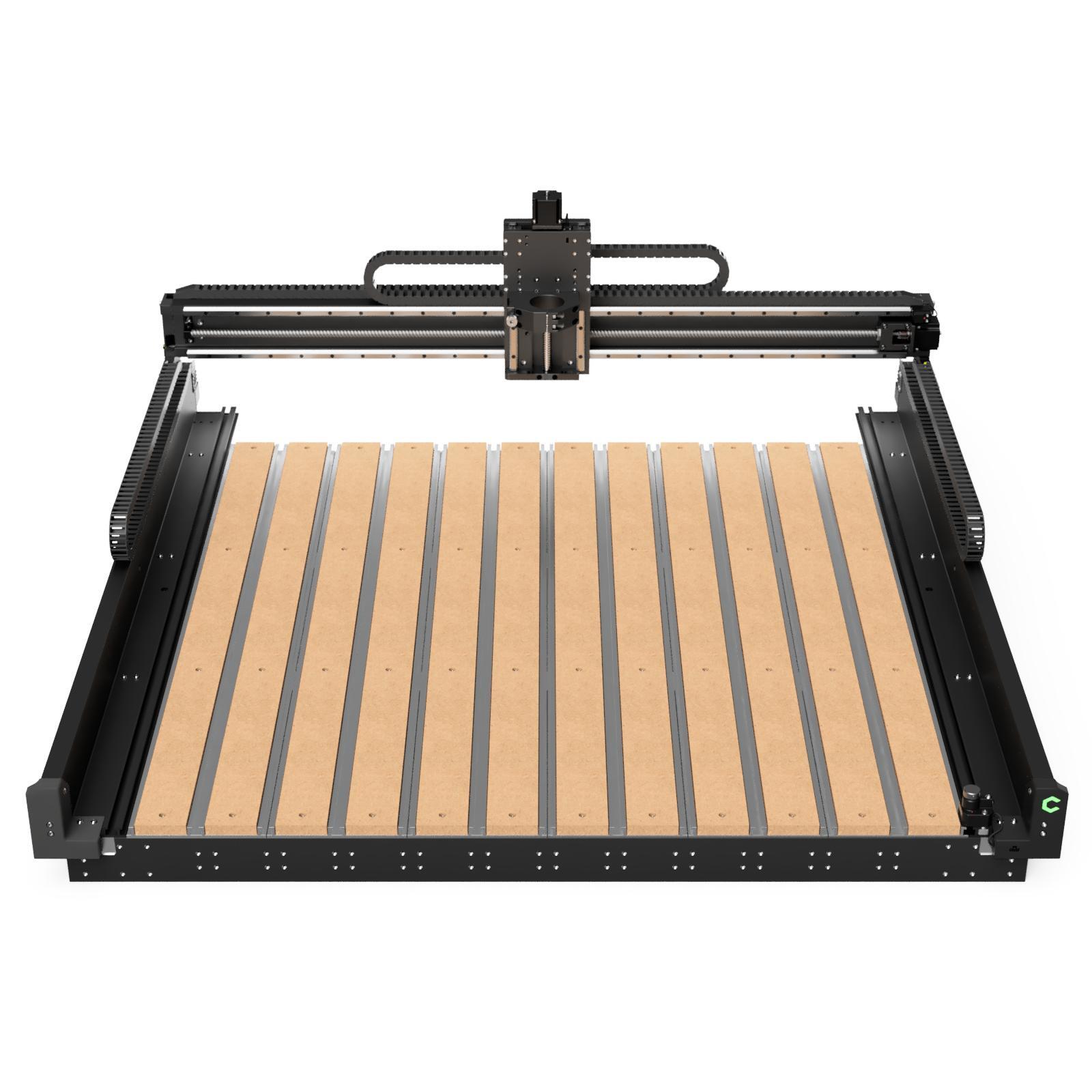
- 445 × 445 mm
- No spindle

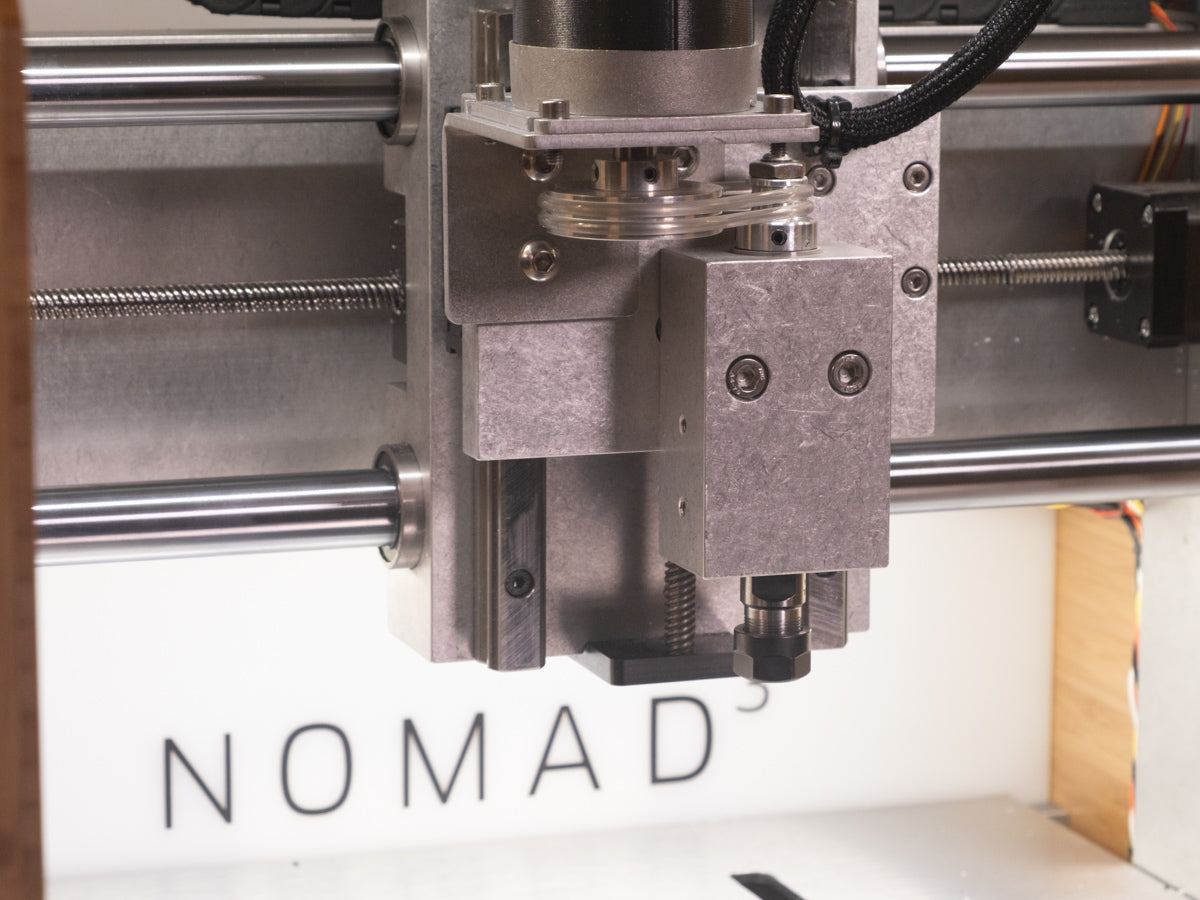
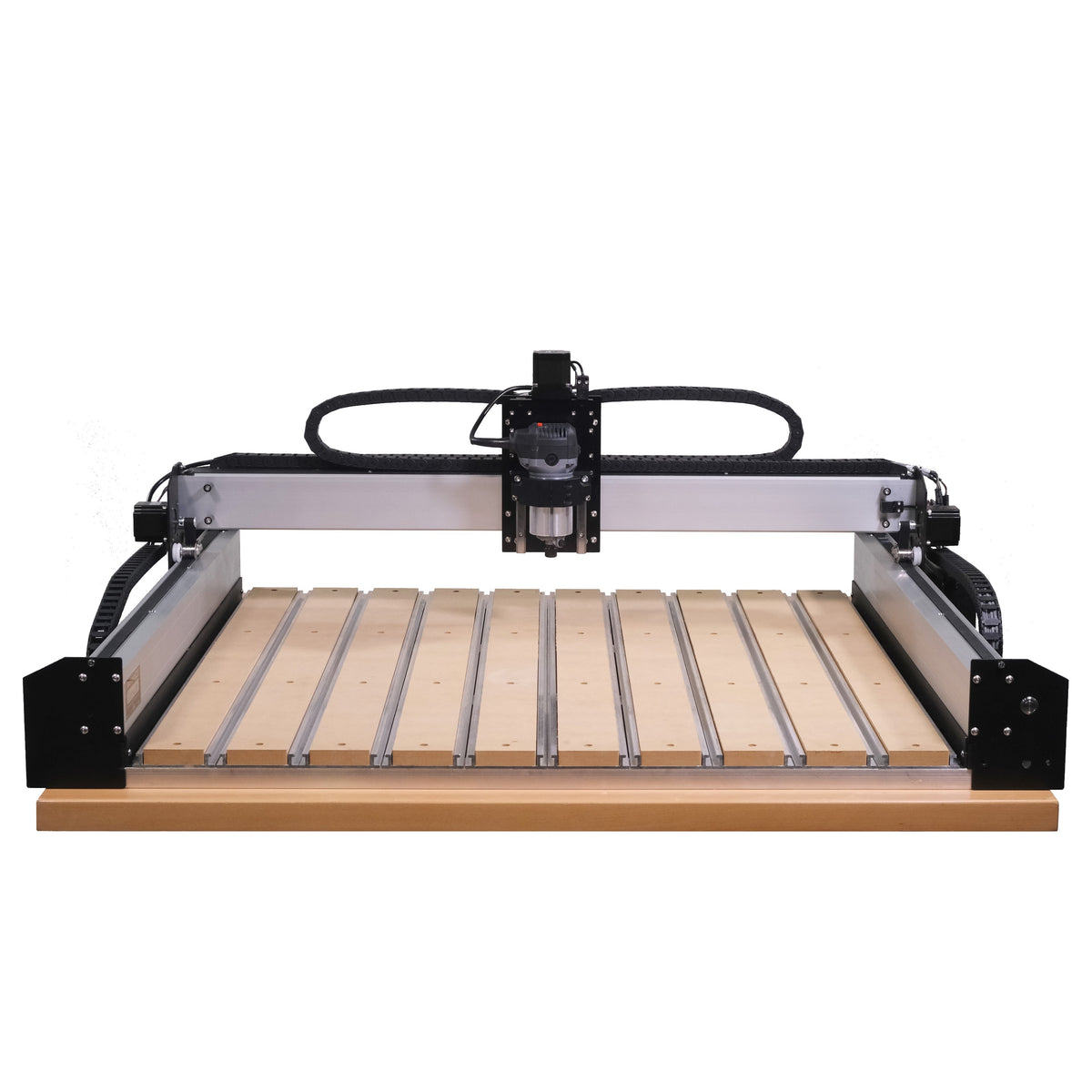
Maker of Shapeoko and Nomad, and the strongest documentation and support operation in desktop CNC. Sells direct rather than through marketplaces.
They build machines but do not sell the consumables for them, so bits, collets and dust hardware come from third parties. That is normal and generally cheaper, but it does mean fitment is on you to check rather than guaranteed by the box.
The machines we track sit close enough together in price that the choice between them is about shape rather than tier. They are broadly the same class of machine configured for different work - envelope against clearance, power against control - so the deciding question is what you cut, not how much you want to spend.
In practical terms the line runs from 203 × 203 mm up to 445 × 445 mm. That bottom end is a machine for signs, inlays and learning; the top end starts to make useful pieces of a full sheet viable. If your work sits over about 400mm in either axis, most of this range is ruled out before any other specification matters.
Carbide 3D publishes noticeably less than our scoring model asks for - on average only 61% of the weight can be applied. Practically, that means a score on this page is a summary of the parts they were willing to document, and the rest is an unknown you would be inheriting. This is the single most useful thing to understand before comparing these numbers against a better-documented brand: a lower score on complete data often describes a safer purchase than a higher one built on two-thirds of the picture.
1 of the 3 machines we track from them is scored on the complete model, so that entry's number is the one to trust most when comparing across brands.
The scores themselves range from 24 to 49. A spread that wide inside one brand usually reflects machines built for different jobs rather than a quality gradient - and in part it reflects how much each machine's spec sheet actually says.
Coverage is the share of our scoring model a machine's published figures can actually fill - the weights are listed on the methodology page.
Carbide 3D sells direct rather than through the marketplaces we track, so there is no live price on this page for their products. That is a deliberate choice by the manufacturer and often a good one for the buyer - direct sales usually mean better support and firmware continuity - but it does mean you should check their own store for current pricing.
Specifications are transcribed from each manufacturer's own published product pages, recorded per machine with the URL and the date verified. Prices are dated observations refreshed daily from retailer APIs, not live quotes. Marketplace listing copy, forums and news aggregators are research inputs and are never used as sources of record. Manufacturer site: carbide3d.com.