
Plasma vs laser vs waterjet: which cutter for metal?
Three ways to cut metal, optimised for three different jobs
All three cut metal, in completely different ways. A plasma table is the fastest and cheapest way to cut conductive metal like steel - but only conductive metal, with a rougher heat-affected edge. A laser is fast and precise on thinner material and cuts non-metals like wood and acrylic too, but needs a high-power fibre machine for thick metal. A waterjet cuts almost anything - metal, stone, glass, composites - stone-cold with no warping, but it is the slowest, wettest and most expensive to run. Pick the process by the material you cut and the edge you need.
Side by side
| Plasma | Laser | Waterjet | |
|---|---|---|---|
| How it cuts | An electric arc ionises gas into plasma that melts and blows through conductive metal. | A focused light beam melts or vaporises a narrow line. | A high-pressure water and abrasive stream wears through material - cold, no heat. |
| Materials | Conductive metal only - steel, stainless, aluminium. | Wood, acrylic, leather, thin metal (fibre for metal); not stone or glass. | Almost anything - metal, stone, tile, glass, composites. |
| Thickness | Thin to thick steel, set by amperage - a strong home tool. | Thinner material; thick metal needs a high-power fibre laser. | Very thick given time; thickness costs cut time, not capability. |
| Edge & heat | Fast but a rougher, heat-affected edge; some dross. | Clean, precise edge; a heat-affected zone on metal. | Clean, cold edge - no warping, no heat-affected zone, no discolouration. |
| Speed | Fastest on metal. | Fast on thin material. | Slowest, and wet. |
| Cost to run | Cheap - consumables and compressed air. | Low - lens and gas; diode/CO₂ machines are cheap to feed. | Highest - garnet abrasive is consumed continuously. |
| Buy-in | From ~$2,000 for a table plus a cutter. | From a few hundred (diode) to several thousand (CO₂/fibre). | From ~$10,000 - the priciest to buy. |
Plasma: fast and cheap on steel
A CNC plasma table is the workhorse for cutting conductive metal. It is fast, the machines are the cheapest of the three to buy and run, and a mid-amperage cutter handles a genuinely useful range of steel thickness. The limits are real, though: it only cuts electrically conductive metal, so no stone, glass or composites, and the cut edge is rougher and heat-affected, usually needing a clean-up pass. If your work is steel brackets, signage and sheet fabrication, plasma is almost always the right answer - start with the plasma table rankings.

Langmuir CrossFire Plasma Table
$3,899.00The machine that made personal CNC plasma a category, bundled with a 45-amp cutter and sold on Amazon - the default starting point for cutting steel at home.

A larger 4x4 ft all-in-one table with a 40-amp cutter included, also on Amazon - more cutting area if your sheets are bigger.
Laser: precise, and not only for metal
A laser is the precision option, and the most versatile across non-metals. A diode or CO₂ laser cuts wood, acrylic, leather and card cleanly and marks coated metal; a fibre laser cuts and marks bare metal. What a desktop laser does not do well is cut thick metal - that is plasma or waterjet territory - and it cannot touch stone or glass. For engraving, signage, and thin, precise work in mixed materials, it is the tool, and it is the only one of the three that also does fine detail. See the laser safety guide first, because what you must never cut matters more here than on any other process.
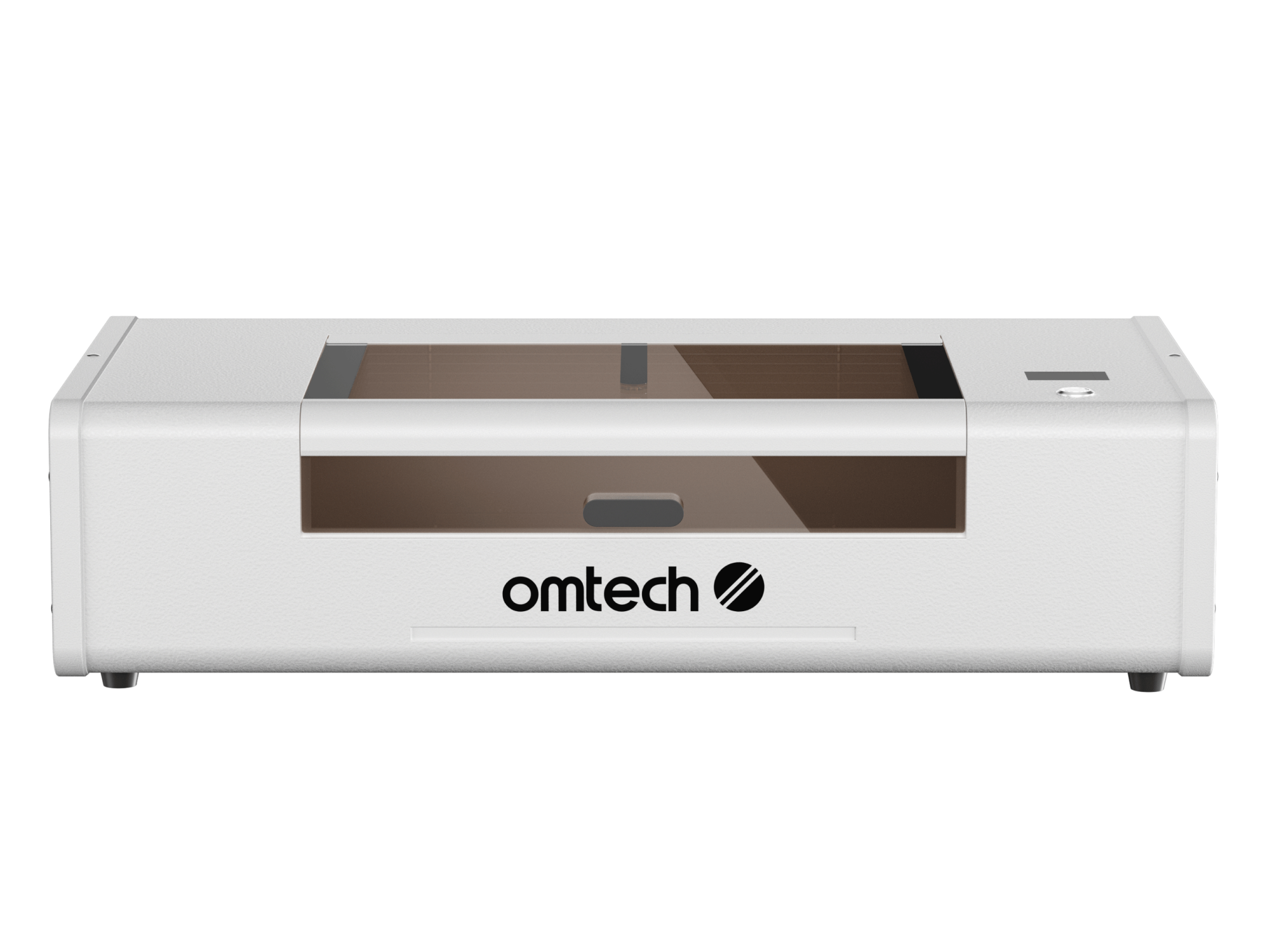
OMTech Polar Lite 55W
$1,999.99The enclosed CO2 laser we have reviewed - excellent for wood, acrylic and marking, and a strong Glowforge alternative. Note that a CO2 laser marks coated metal but does not cut bare metal; cutting metal is a fibre-laser or plasma job.
Waterjet: cuts anything, cold
A waterjet is the universal cutter. Because it removes material by abrasion rather than heat, it cuts metal, stone, tile, glass and composites with no heat-affected zone - no warping thin metal, no cracking brittle stone, no discoloured edge. That cold, clean, cut-anything capability is unmatched. The price is literal and practical: a waterjet is the most expensive of the three to buy, the slowest, and the most expensive to run because it consumes garnet abrasive continuously, and it needs plumbing and abrasive collection rather than a bench. If you cut a mix of materials and cannot tolerate heat distortion, nothing else does the job - see the desktop waterjet rankings.

WAZER Desktop
$9,999.00The machine that made a desktop waterjet possible - cuts metal, stone, glass and more with no heat, from $9,999. The value pick of the two WAZER machines; sold direct.
How to choose
Start from the material, not the machine. If you only cut steel and other conductive metal, buy a plasma table - it is faster and cheaper than either alternative and gives up nothing you need. If your work is thin, precise, or in wood, acrylic and mixed non-metals, a laser is the tool. If you have to cut a range of materials - metal one day, stone or glass the next - with a clean, cold edge and no heat distortion, a waterjet is the only one of the three that can, and you pay for it in speed, mess and abrasive.
And if your work is actually wood, plastic or sheet goods rather than metal, none of these is your machine - a CNC router is, and it will do it faster and cheaper than any of them.