#1
76/100
Tormach · Best desktop mills
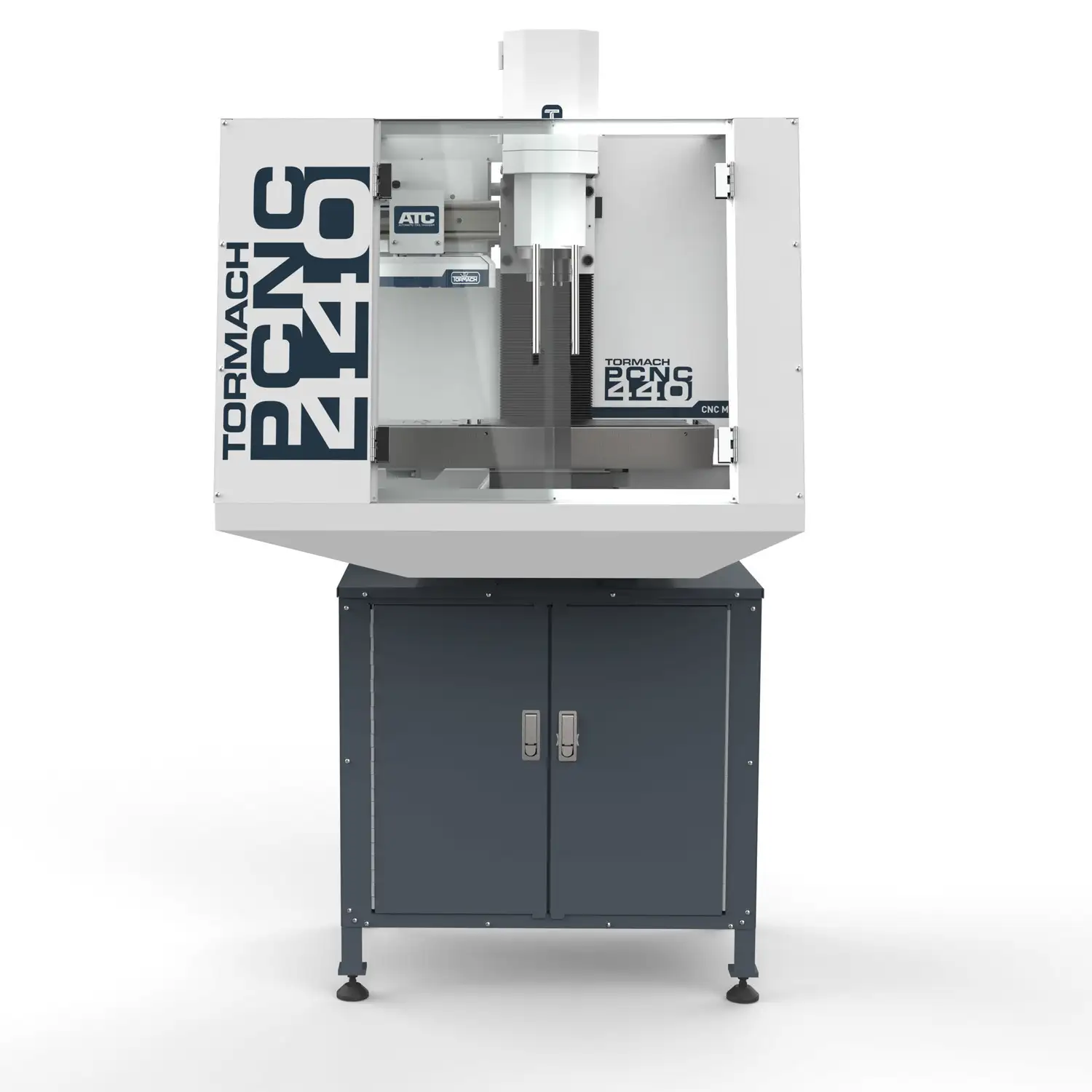
the buyer who wants the most cutting power per pound and can live with a shallow Z.
- 457 × 279 mm
- 1,490 W spindle
- 413 mm Z

5 machines · Updated August 1, 2026
Ordered by overall computed mill score
Ranked by our CNC mill score - rigidity, spindle power, tool changer, metal capability, work envelope and value, weighted as published on the methodology page. A mill is not a router with more power: it is a rigid, enclosed, metal-focused machine, and the thing that separates a good one from a bad one is the frame that lets it hold a tolerance in steel or aluminium without deflecting. That is why rigidity is the most heavily weighted axis here and why a heavy cast-iron machine with a modest spindle can outrank a light one with a fast spindle. Read the score as a summary of published metal-cutting capability, and read the metal-capability column alongside it: a machine rated only for aluminium is a different purchase from one rated to titanium, whatever their scores. If you are not certain a mill is what you need at all, the router-versus-mill distinction is the first thing to settle.
Ordering is computed from published specifications. No brand can pay for a position here.
the buyer who wants the most cutting power per pound and can live with a shallow Z.
the buyer who wants the most cutting power per pound and can live with a shallow Z.
the buyer who wants proven, fully-published capability across wood and light metal.
the buyer who wants proven, fully-published capability across wood and light metal.
the buyer who would rather have documentation and support than a higher number.
Every measure that decides this category, for all 5 machines at once.
| Machine | Score | List price | Work area | Spindle | Frame |
|---|---|---|---|---|---|
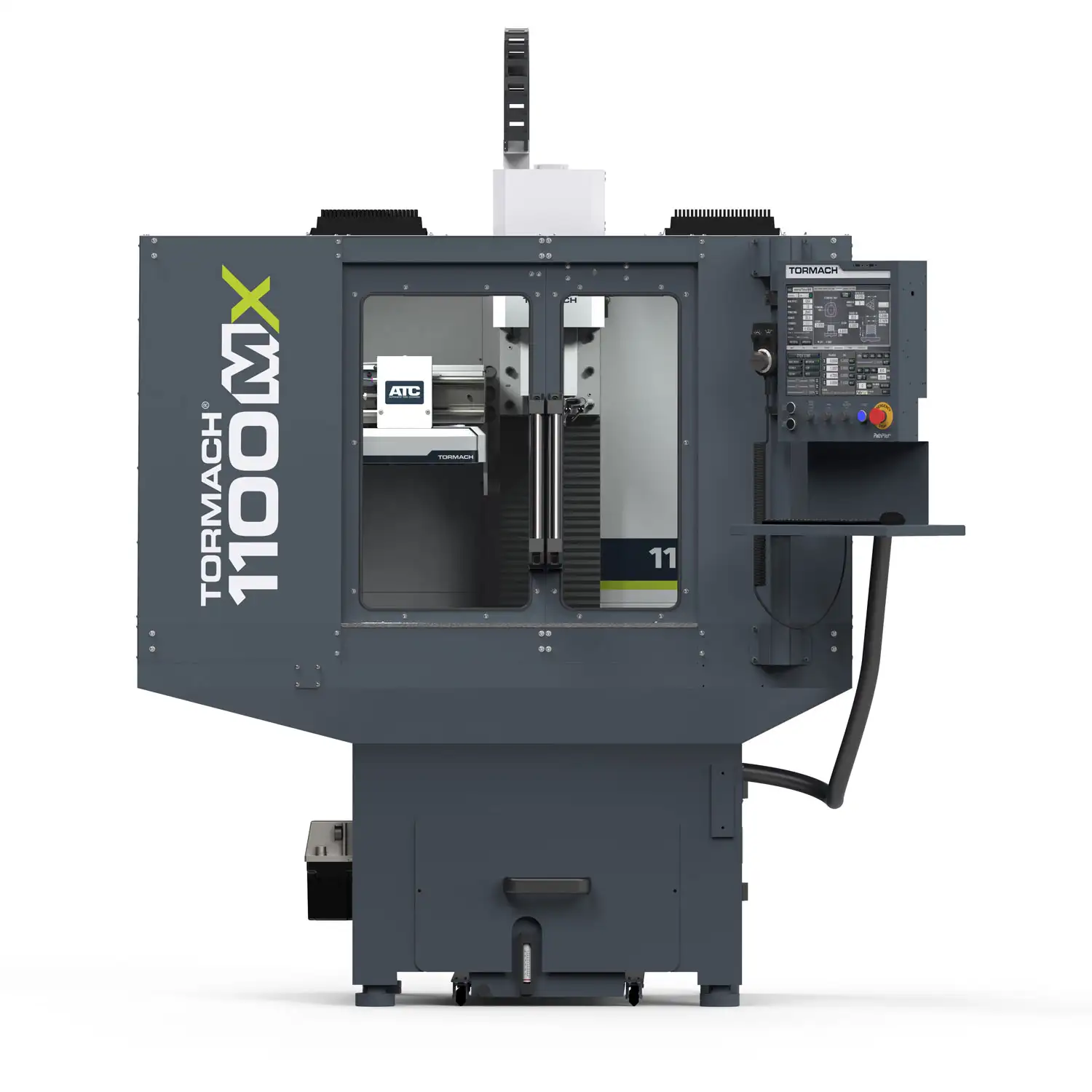
| Tormach 1100MX | 76 | $29,594.00 | 457 × 279 mm | 1,490 W | Cast iron |
| Tormach PCNC 440 | 55 | $8,995.00 | 254 × 159 mm | 560 W | Cast iron |
| Makera Carvera | 37 | $5,499.00 | 360 × 240 mm | 200 W | Die-cast aluminium |
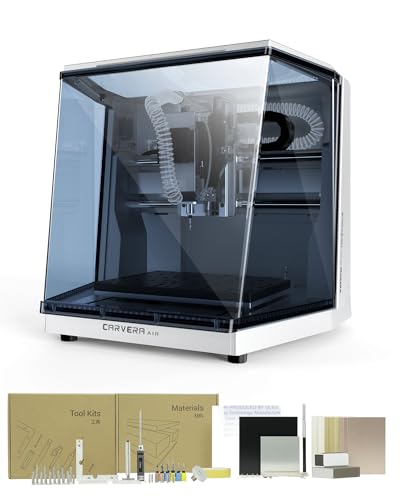
| Makera Carvera Air | 31 | $2,499.00 | 300 × 200 mm | 200 W | Die-cast aluminium |
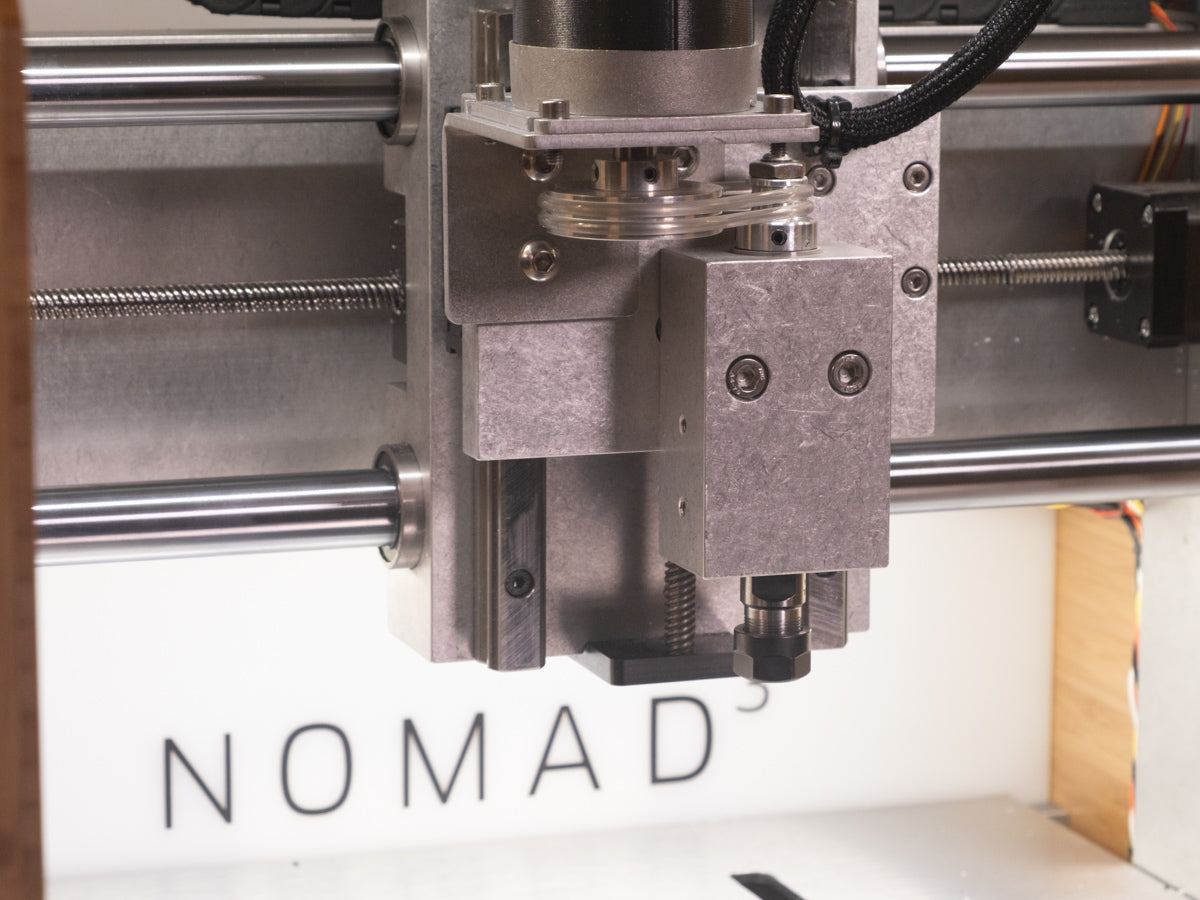
| Carbide 3D Nomad 3 | 24 | $2,800.00 | 203 × 203 mm | 130 W | Machined aluminium |
| Lowest list price | Makera Carvera Air The entry point - and the envelope is the reason it is cheap, not a compromise in build. |
|---|---|
| Largest work area | Tormach 1100MX Most bed for the money here. Check the Z clearance before assuming it fits your work. |
| Highest computed score | Tormach 1100MX Tops the model on a complete specification, which is the most trustworthy kind of high score. |
| Best score per dollar | Makera Carvera Air The most computed capability per pound spent - not the same question as which machine is best. |
A CNC router is a gantry that moves a spinning cutter through three axes under G-code control. What separates one from another is almost never the software - most desktop machines run GRBL and accept the same toolpaths - but the mechanics: how the motion is driven, how rigidly the gantry resists the cutting forces pushing back at it, and whether the controller knows where the tool actually is rather than where it commanded it to be.
Drive type is the clearest dividing line. Belts are cheap, forgiving of a crash and quick to replace, but they stretch under load. Lead screws are stiffer and slower. Ball screws are stiffer again and back-drive far less, which is why they appear on machines aiming at metal or at precision in hardwood.
Control is the other. An open-loop stepper is told to move and assumed to have moved; a closed-loop one reports back, so the controller knows when a step was lost and can correct it. On wood the difference is often invisible. On anything where the part has to be dimensionally right, it is the whole ballgame.
The order on this page is computed, not curated. Every machine is scored from the specifications its manufacturer publishes, using weights documented in full on the methodology page, and no brand can pay to move up. The affiliate links on this site never touch the score - ranking and monetisation are calculated by separate functions that do not share data.
Prices are dated observations refreshed daily from retailer APIs, not live quotes, and anything unconfirmed for more than 72 hours is labelled availability-unknown rather than shown as current. Specifications come from manufacturer product pages only - never from marketplace listing copy, which is written to sell rather than to describe.
This list sorts on the overall mill score, a weighted blend of rigidity (24), spindle power (18), tool changer (16), metal capability (14), work envelope (14) and value (14). Rigidity leads because it is what makes a mill a mill - the frame column is surfaced so you can see whether a high score rests on cast iron or on aluminium extrusion. Spindle power on a mill matters more than peak RPM, because torque is what drives a cutter through metal without stalling. As on every list here, the score rests only on the specifications a maker publishes, and the coverage figure tells you how much of the model that covers.
The full weighting model and the reference scales are on the methodology page.