Fabrication Machines

Best CNC routers for metal in 2026: 8 Compared

8 machines · Updated August 1, 2026

Ordered by drive quality, then spindle power

Aluminium and brass are limited by rigidity and drive quality, not by work area, so this list only includes machines whose manufacturer actually publishes a motor type - on metal, an unstated drive is a disqualifying unknown. The distinction that decides everything here is closed-loop versus open-loop. A closed-loop stepper detects and corrects a lost step; an open-loop one cannot, so it carries on cutting from a position it no longer holds and scraps the part silently, usually a long way into the job. Everything else is technique: shallow passes, a chip load kept high enough to avoid built-up edge, and lubricant, because dry cutting welds aluminium to the flutes and snaps the tool. Treat any marketing claim of "cuts soft metal" as untested unless the maker publishes the drive and the spindle rating.

Ordering is computed from published specifications. No brand can pay for a position here.

The 8 machines, ranked

#1
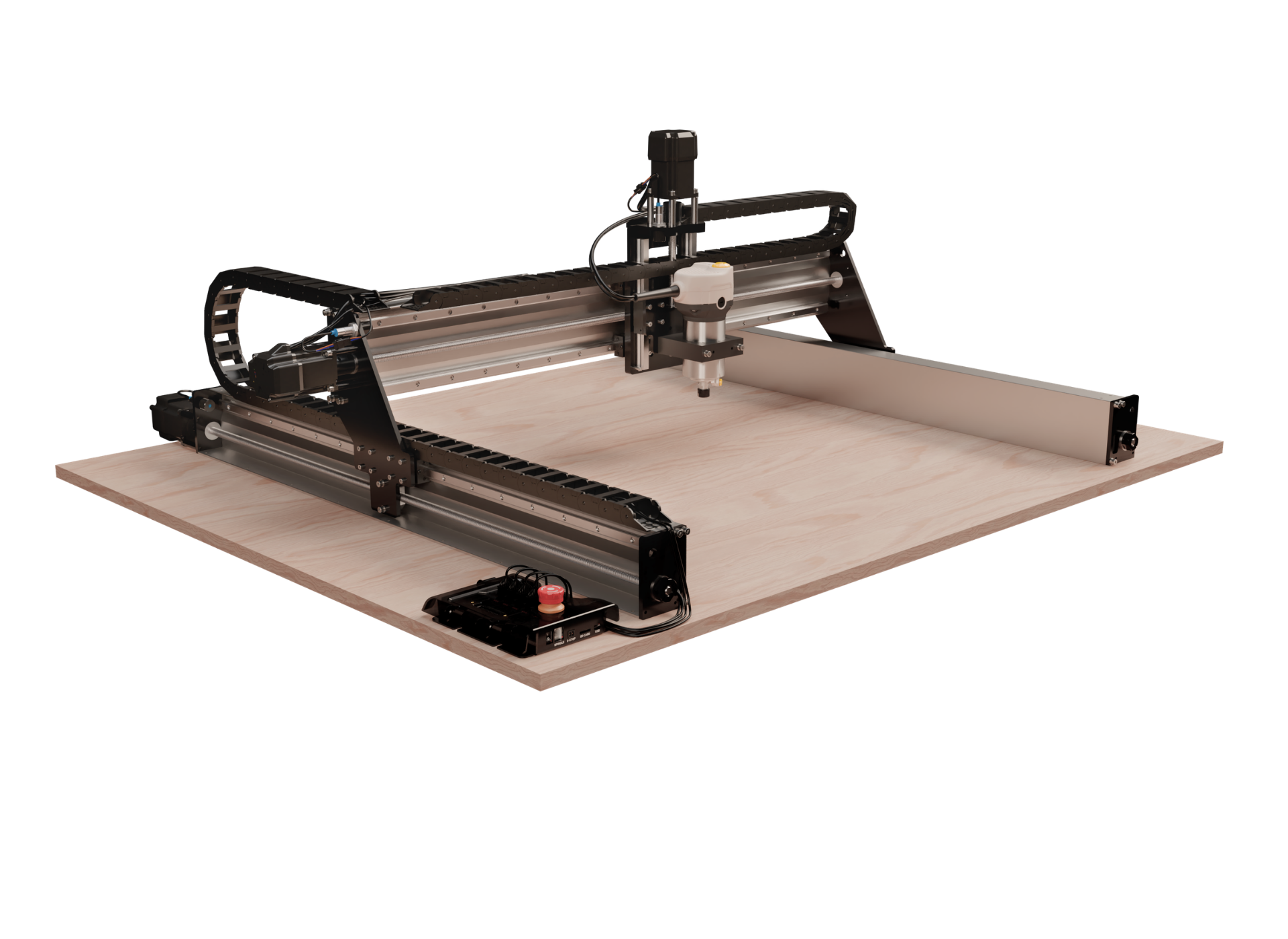
Genmitsu · Best for metal

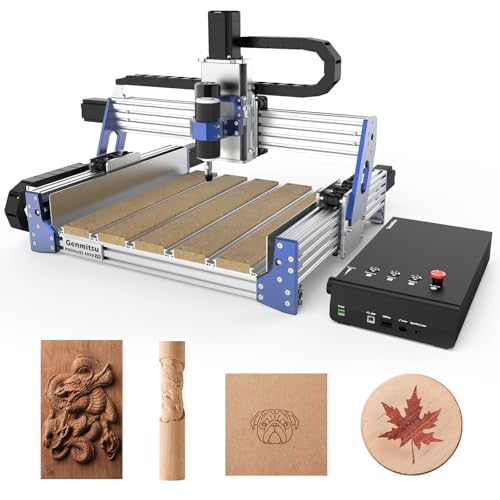
the shop that cuts aluminium regularly and needs a drive it can trust to hold position. The only machine here that pairs a closed-loop drive with a spindle the manufacturer actually rates, which is why it tops the metal list despite a mid-pack overall score. On aluminium the closed loop matters more than raw envelope — a lost step on an open-loop frame scraps the part without warning, usually deep into a job. The 400 W spindle caps how hard you can push, so take shallow passes and keep the chip load up to avoid built-up edge.

  • 400 × 300 mm
  • 400 W spindle
  • 110 mm Z
#2

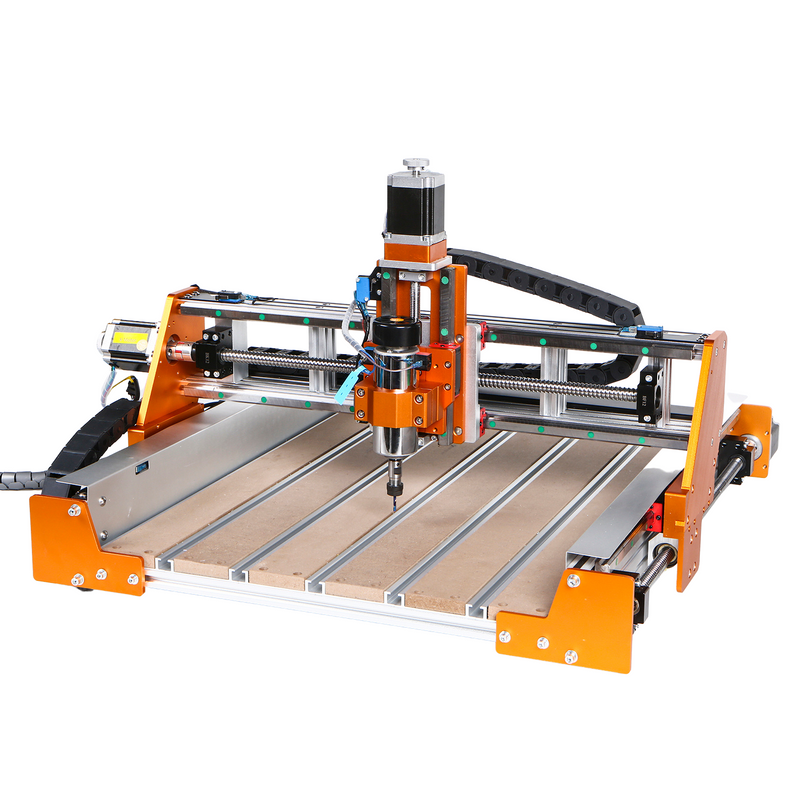
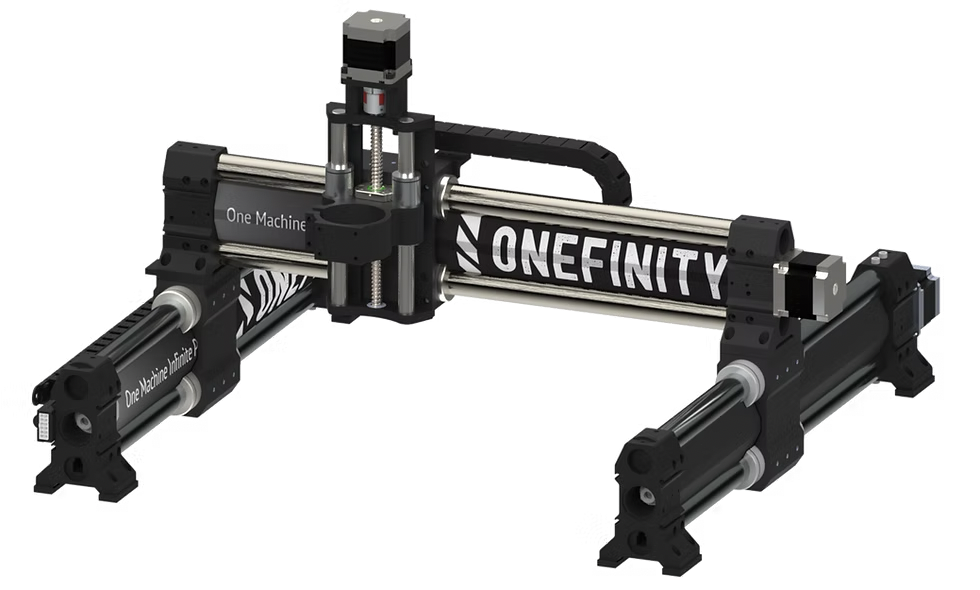
the metal-focused buyer who will add their own spindle to a drive built to catch a lost step. The closed-loop drive and ball screws are exactly what metal asks for, but it ships without a spindle, so its capability on aluminium is entirely determined by a component you have not bought yet — that unknown is why it sits below the PROVerXL here despite a far higher overall score. Pair it with the 1.5kW VFD spindle and it becomes the most capable machine on this list; pair it with a trim router and you have spent flagship money for trim-router results.

  • 840 × 840 mm
  • No spindle
  • 120 mm Z
#7

wood-first work only - its drive cannot be trusted where a scrapped part is the cost of a missed step. Ranks last here purely on drive type, and the ranking is doing its job. Ball screws and dual profile rails on every axis give it the mechanical accuracy to hold a tolerance in aluminium, but FoxAlien states the steppers are open-loop, so the machine has no way to know when it has lost that accuracy. In wood a skipped step is a visible flaw; in metal it is a scrapped part and often a broken cutter.

  • 400 × 400 mm
  • 400 W spindle
  • 95 mm Z

Compare these 8 CNC routers side by side

Every measure that decides this category, for all 8 machines at once.

MachineDrive loopDriveSpindleScoreList price
Genmitsu PROVerXL 4030 V2Closed-loopBall screw400 W67$1,399.00
FoxAlien XE-Ultra 8080Closed-loopBall screwNot included68$1,799.00
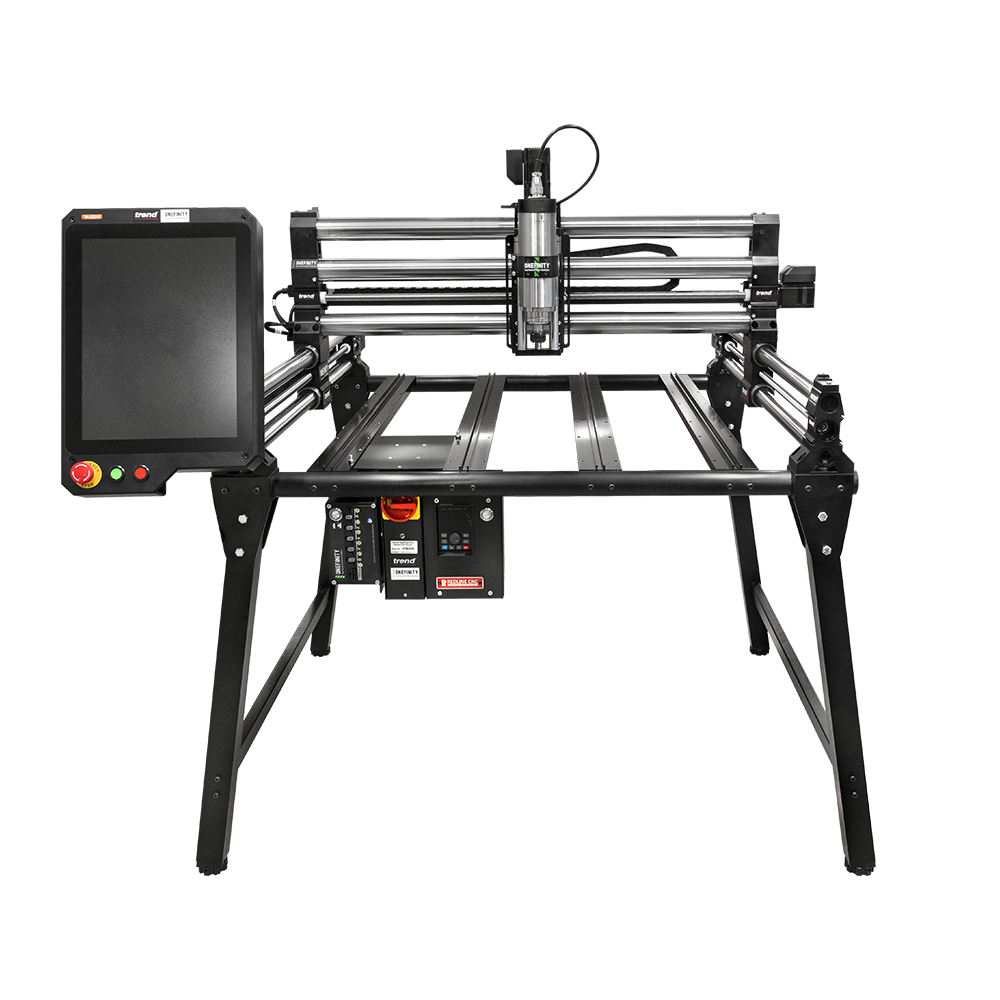
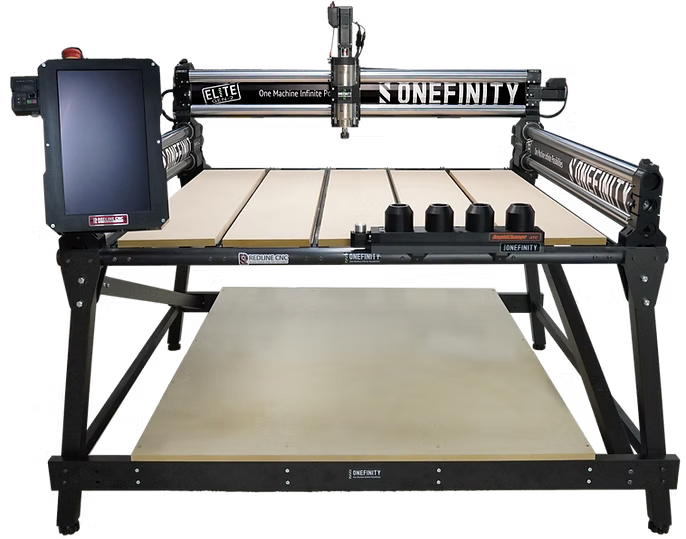
Onefinity Elite WoodworkerClosed-loopBall screwNot included68$2,195.00
Sienci LongMill MK3 30x30Closed-loopLead screwNot included68$1,890 CAD
Onefinity Elite ForemanClosed-loopBall screwNot included53
Onefinity Elite JourneymanClosed-loopBall screwNot included53
FoxAlien VastoOpen-loopBall screw400 W53$2,299.00
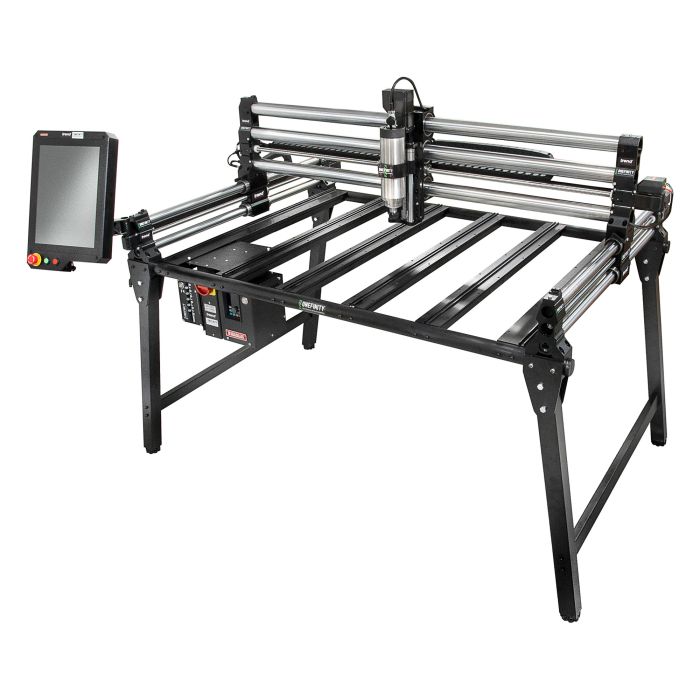
Onefinity ApprenticeOpen-loopBall screwNot included57$995.00

What actually matters for cutting metal

  • Closed-loop drive, or an unknown you cannot accept. A closed-loop stepper detects and corrects a lost step. An open-loop one carries on cutting from a position it no longer holds - in wood that is a visible flaw you can recut, in aluminium it is a scrapped part and usually a broken cutter.
  • Rigidity beats spindle power every time. A 400 W spindle on a rigid ball-screw frame will out-cut a kilowatt on a flexing gantry. Deflection under side load is what limits depth of cut in metal, and it is the specification manufacturers are least willing to quantify.
  • Chip load must stay up, not down. The instinct to creep through metal is exactly wrong: a thin chip causes built-up edge, where aluminium welds itself to the flutes and destroys the cutter in seconds. Shallow passes at a healthy feed, with lubricant.

The field at a glance

Lowest list priceOnefinity Apprentice
The entry point - and the envelope is the reason it is cheap, not a compromise in build.
Largest work areaOnefinity Elite Foreman
Most bed for the money here. Check the Z clearance before assuming it fits your work.
Highest computed scoreSienci LongMill MK3 30x30
Tops the model, but on 68% coverage - strong on what is published rather than proven throughout.
Best score per dollarOnefinity Apprentice
The most computed capability per pound spent - not the same question as which machine is best.

Common mistakes to avoid

  • Treating aluminium as slow wood. Cutting slower is what causes rubbing, built-up edge and a snapped cutter. Metal wants a maintained chip load in shallow passes with lubricant - and a drive the controller can actually trust, which is why an unstated drive loop is a disqualifying unknown on this list rather than a minor gap.
  • Comparing a bare platform against a complete machine. 6 machines on this list ship without a spindle, and sometimes without a table or spoilboard either. That price is not comparable to one that includes a cutter until you have added the missing parts, which can be several hundred dollars.
  • Assuming an open-loop machine will hold position under load. Open-loop steppers cannot detect a lost step. In hardwood at depth, or in any metal, that means a part that quietly goes wrong partway through with no error on the controller and no obvious cause afterwards.
  • Cutting slower when the edge burns. It is the most common instinct and it is backwards. A burn means the chip is too thin to carry heat out of the cut, so the cutter is rubbing rather than shearing - feed faster or drop the spindle speed. The chip load calculator will confirm which side of the range you are on before you change anything.

Understanding desktop CNC routers

A CNC router is a gantry that moves a spinning cutter through three axes under G-code control. What separates one from another is almost never the software - most desktop machines run GRBL and accept the same toolpaths - but the mechanics: how the motion is driven, how rigidly the gantry resists the cutting forces pushing back at it, and whether the controller knows where the tool actually is rather than where it commanded it to be.

Cutting metal exposes those differences immediately. Wood is forgiving: a little deflection produces a slightly wrong cut you can often live with. Aluminium is not - the forces are higher, the tolerance for error is lower, and the cutter is far less patient. This is why the drive system dominates every other specification on this list, and why a machine that cuts wood beautifully can be genuinely unable to cut metal at all.

The practical limit on a desktop machine is almost always rigidity rather than power. You will hit chatter, deflection and built-up edge long before the spindle runs out of watts, which is why the technique is shallow passes at a maintained chip load with lubricant, rather than deep passes taken slowly.

How this ranking works

The order on this page is computed, not curated. Every machine is scored from the specifications its manufacturer publishes, using weights documented in full on the methodology page, and no brand can pay to move up. The affiliate links on this site never touch the score - ranking and monetisation are calculated by separate functions that do not share data.

The caveat that matters most is coverage. Our model excludes any component a maker has not published rather than scoring it zero, then renormalises across what is left - so a machine scored on 53% of the model is not directly comparable to one scored on 100%. 7 of the 8 machines here fall short of full coverage. Read a high score on thin coverage as "strong on what we can verify", not as a verdict on the whole machine, and treat the gap as an unknown you would be inheriting.

Prices are dated observations refreshed daily from retailer APIs, not live quotes, and anything unconfirmed for more than 72 hours is labelled availability-unknown rather than shown as current. Specifications come from manufacturer product pages only - never from marketplace listing copy, which is written to sell rather than to describe.

Metal inverts the usual weighting. Work area barely matters; drive quality decides everything, so this list sorts on the drive loop first and spindle power second, and excludes any machine whose maker does not publish a motor type. A closed-loop machine always ranks above an open-loop one here even if the open-loop machine has more raw power, because power you cannot trust to hold position is power that scraps parts. The comparison table leads with the loop and the drive hardware for exactly that reason.

The full weighting model and the reference scales are on the methodology page.

Buying questions, answered

What's the cheapest CNC that can cut aluminium?
The cheapest one on this list with a published closed-loop drive and a rated spindle - not simply the cheapest machine that claims to. On aluminium the closed loop matters more than price or envelope, because an open-loop machine scraps the part without warning. Pair it with shallow passes, a maintained chip load and lubricant.
Why does closed-loop matter so much for metal?
Because aluminium loads the cutter hard enough to nudge a stepper off a step, and an open-loop drive has no way to know it happened. It carries on from a position it no longer holds, ruining the part and often snapping the tool - usually deep into a job. A closed-loop drive detects and corrects that lost step.
Can any desktop CNC cut steel?
Not meaningfully. The machines here are rated for aluminium and brass at shallow depths; steel demands rigidity, mass and spindle torque well beyond desktop routers. Treat 'cuts soft metal' as the real ceiling, and only when the maker publishes both the drive and the spindle rating.

Other rankings

Share