Fabrication Machines

Best CNC routers for beginners in 2026: 13 Compared

13 machines · Updated August 1, 2026

Ordered by list price, lowest first

Ordered by manufacturer list price, cheapest first, because the first machine should teach you the craft without punishing the mistakes you will certainly make on it. The specification that matters most to a beginner is not on any spec sheet: it is how much documentation, community and support sits behind the machine when a job fails at 2am. A well-documented belt-driven machine will teach you more than an under-supported ball-screw one, because you will actually finish projects on it. Expect to break bits - this is normal and is why the calculators on this site exist. The two mistakes that dominate: buying more envelope than the work needs, and skipping dust extraction, which is a health control rather than a convenience on MDF and composites. Assembly time and whether the machine arrives pre-trammed matter more than a few points of score.

Ordering is computed from published specifications. No brand can pay for a position here.

The 13 machines, ranked

#1
Genmitsu · Best for beginners

the first-timer who wants the cheapest honest way to find out if the craft is for them. The cheapest way to find out whether you actually enjoy this, and the machine most people should learn on. Main parts arrive assembled and the limit switches and emergency stop mean a crash costs a bit rather than the machine. Its small bed is a genuine advantage while learning: shorter jobs mean faster feedback, and mistakes cost minutes of stock instead of a sheet of hardwood.

  • 290 × 180 mm
  • No spindle
  • 40 mm Z
#2

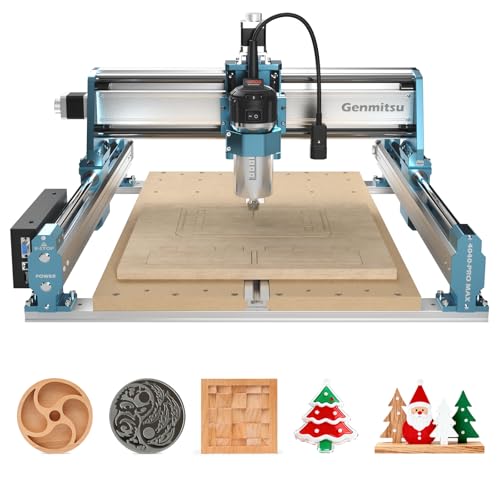
the beginner who wants power without fuss and will accept a shallow Z to get it. The point where a beginner stops outgrowing the machine immediately. A square 400mm bed handles most hobby work and the 710 W router will not stall in hardwood, which removes the most common source of early frustration. The 78mm Z is the constraint to understand before buying — it is enough for sheet goods and shallow relief, not for thick stock on a jig.

  • 400 × 400 mm
  • 710 W spindle
  • 78 mm Z
#4

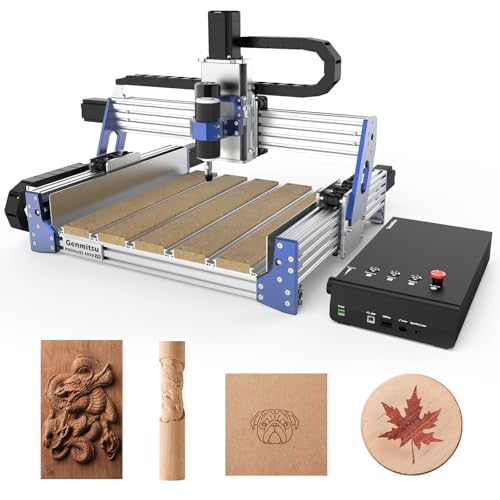
the beginner who already knows they will stick with it and wants forgiveness built into the drive. The safest first machine for someone who already knows they will stick with it. Closed-loop steppers matter more to a beginner than to an expert, because the machine catches the lost step your inexperience caused instead of quietly ruining an hour of cutting. The trade is envelope: you pay mid-range money for reliability rather than for bed size.

  • 400 × 300 mm
  • 400 W spindle
  • 110 mm Z
#5

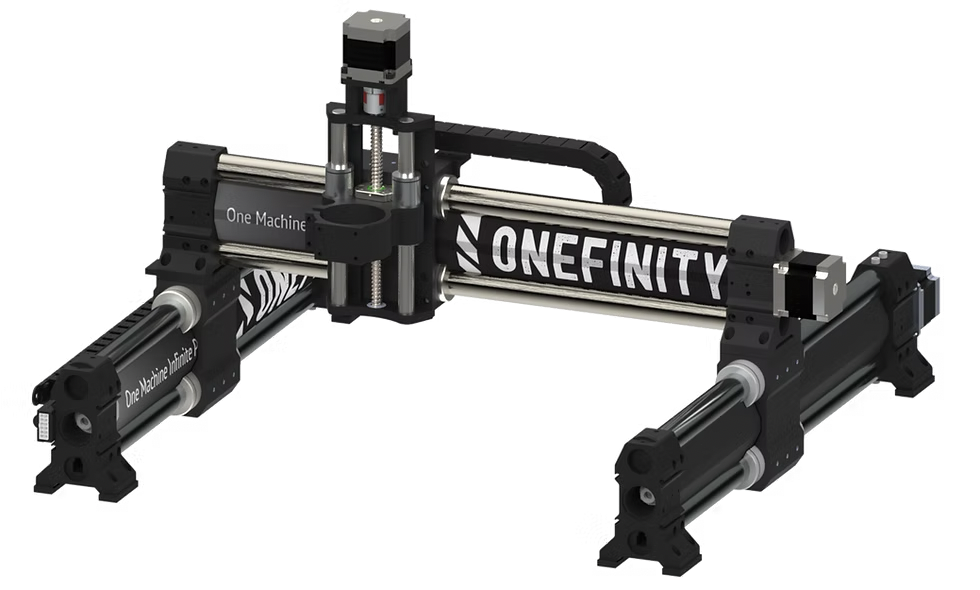
the confident beginner willing to choose their own spindle to get closed-loop control at this price. Poor first machine, excellent second one. It arrives as a motion platform with no spindle and no table, which means the first thing a beginner has to do is make several decisions they do not yet have the experience to make well. Come back to it once you know which spindle you want and why.

  • 840 × 840 mm
  • No spindle
  • 120 mm Z
#6

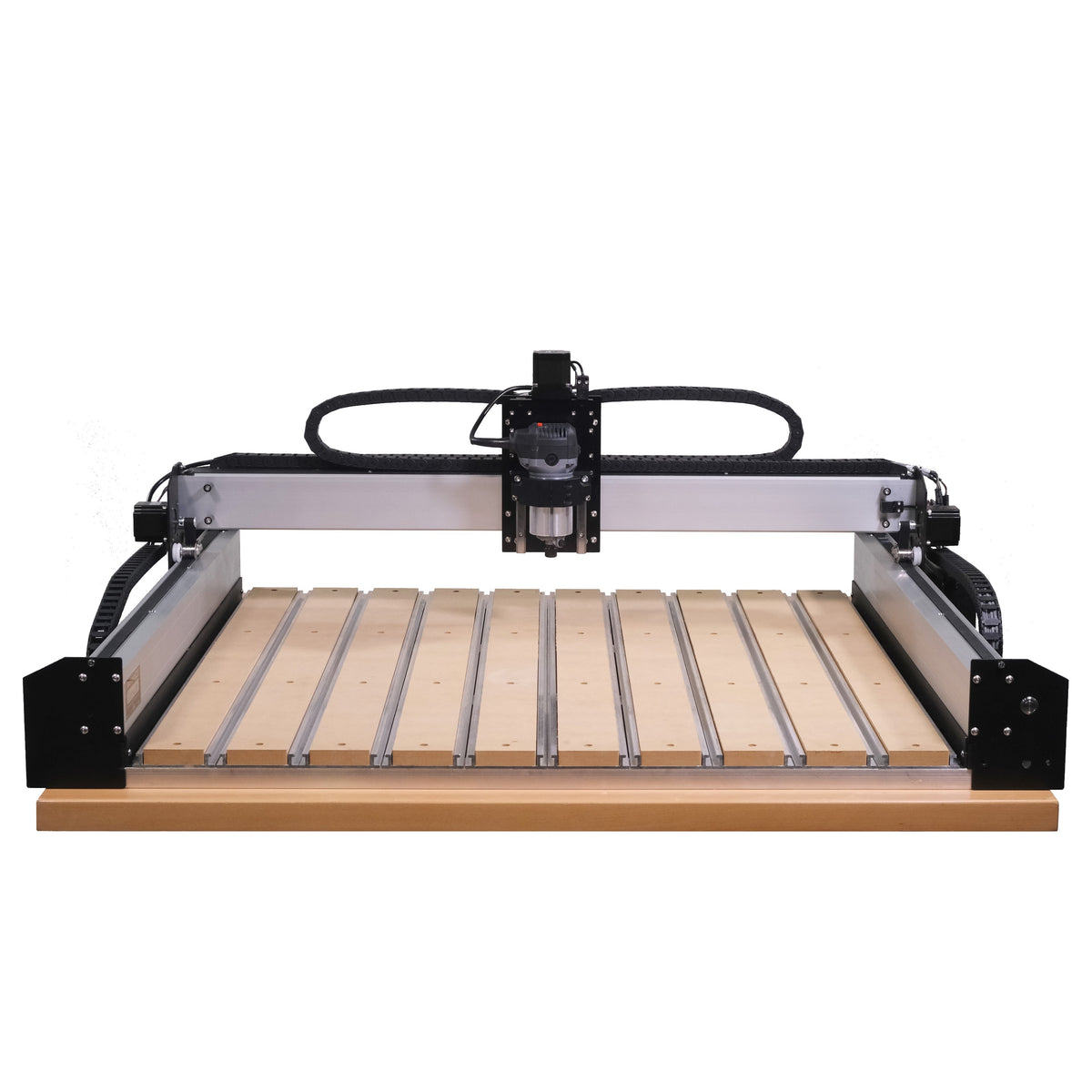
the beginner who values support and documentation over raw specification. The machine to buy if support matters more to you than specification, which for most beginners it should. Carbide 3D's documentation, bundled software and support desk are the strongest in desktop CNC, and belts are forgiving of the crashes that a first month guarantees — cheap to replace and unlikely to damage anything else. You are buying an ecosystem, and the 49 does not price that in.

  • 445 × 445 mm
  • No spindle
  • 102 mm Z
#8

a second machine rather than a first - good mechanics, but a drive that punishes inexperience quietly. Hard to recommend as a first machine at list price. The mechanics are genuinely good, but open-loop control punishes exactly the inexperience a beginner brings — a lost step produces a ruined part with no error and no obvious cause, which is a demoralising way to learn. If you find one heavily discounted the calculus changes.

  • 400 × 400 mm
  • 400 W spindle
  • 95 mm Z

Machines we can't fully score

These qualify for this list but their manufacturers do not publish enough of the specification for our model to characterise them. They are ordered by price.

Compare these 13 CNC routers side by side

Every measure that decides this category, for all 13 machines at once.

MachineList priceWork areaDrive loopSpindleScore
Genmitsu 3018-PROVer V2$269.00290 × 180 mmNot statedNot included47
Genmitsu 4040-PRO MAX$969.00400 × 400 mmNot stated710 W56
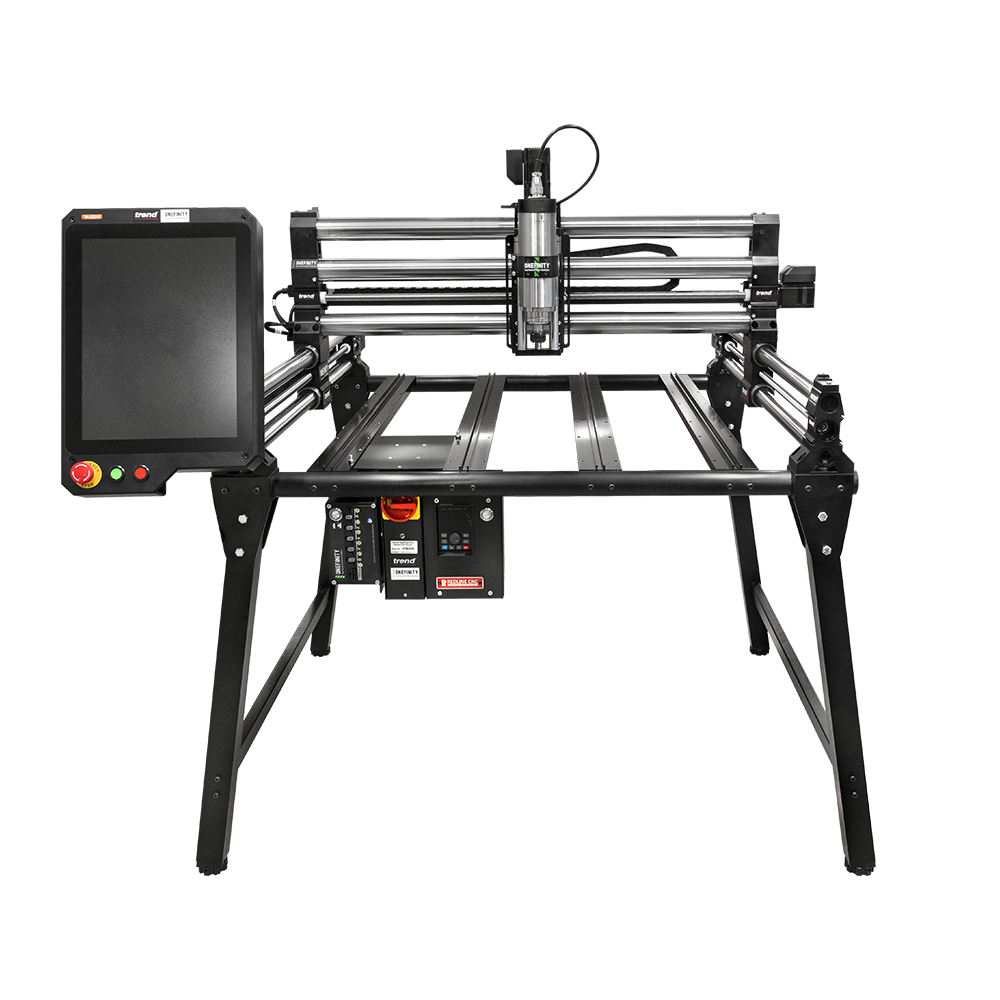
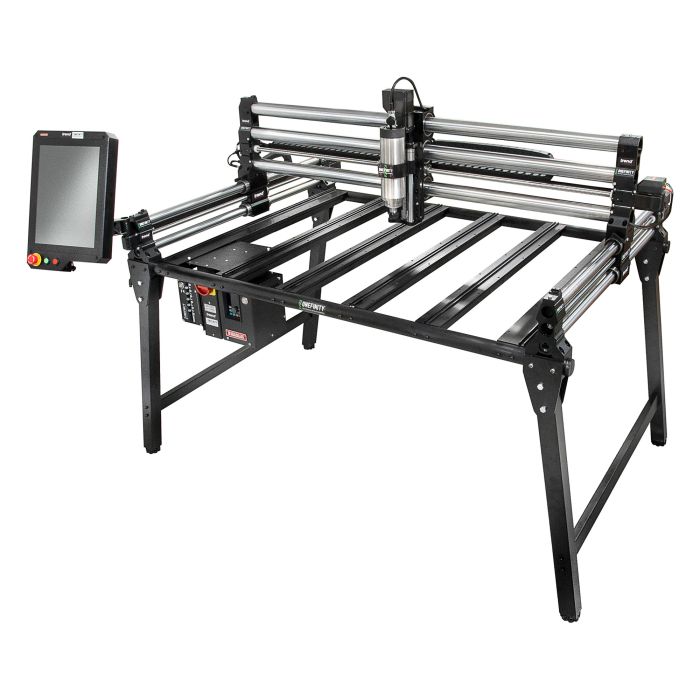
Onefinity Apprentice$995.00419 × 419 mmOpen-loopNot included57
Genmitsu PROVerXL 4030 V2$1,399.00400 × 300 mmClosed-loop400 W67
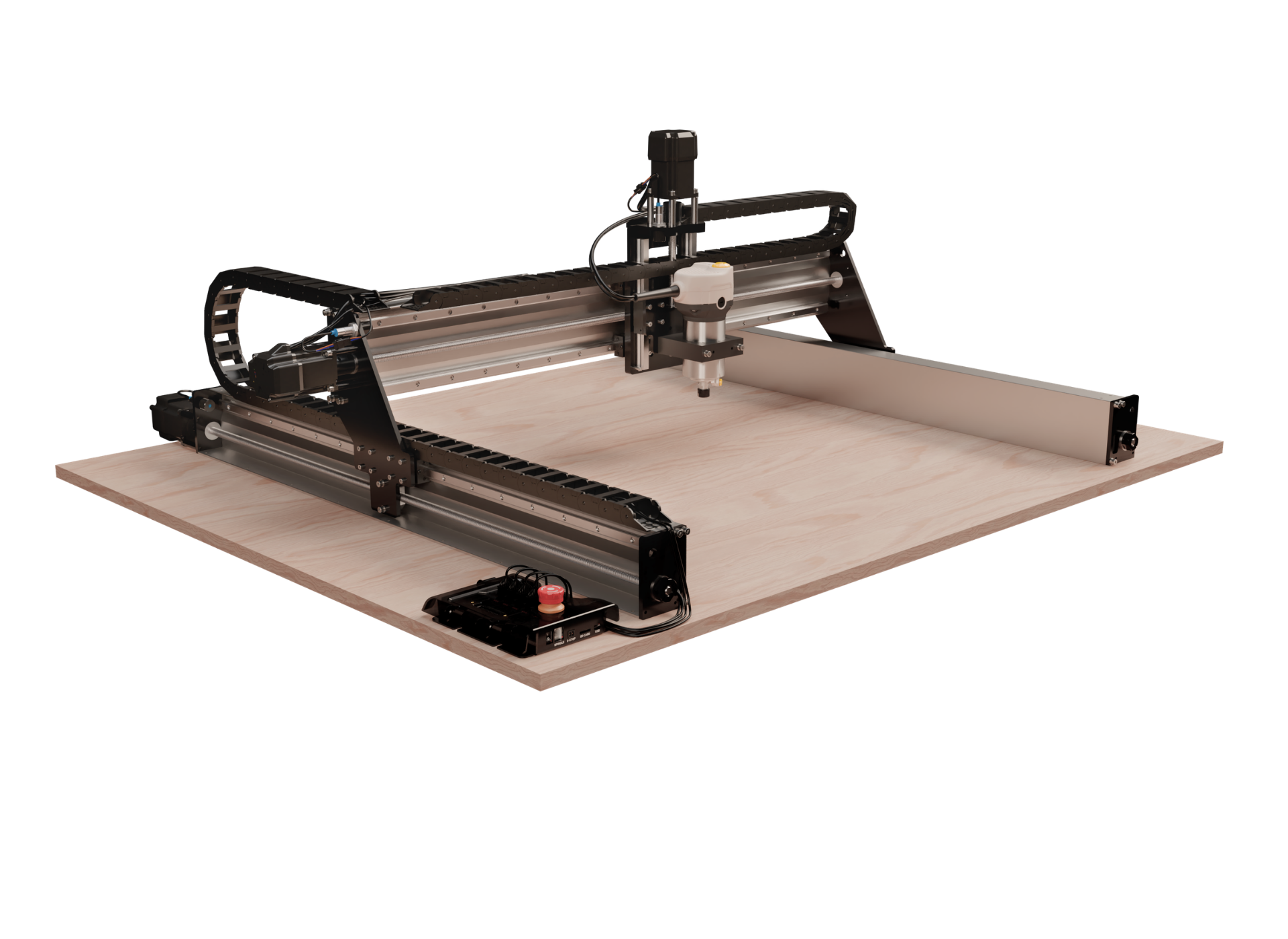
FoxAlien XE-Ultra 8080$1,799.00840 × 840 mmClosed-loopNot included68
Shapeoko 4 Standard$1,800.00445 × 445 mmNot statedNot included49
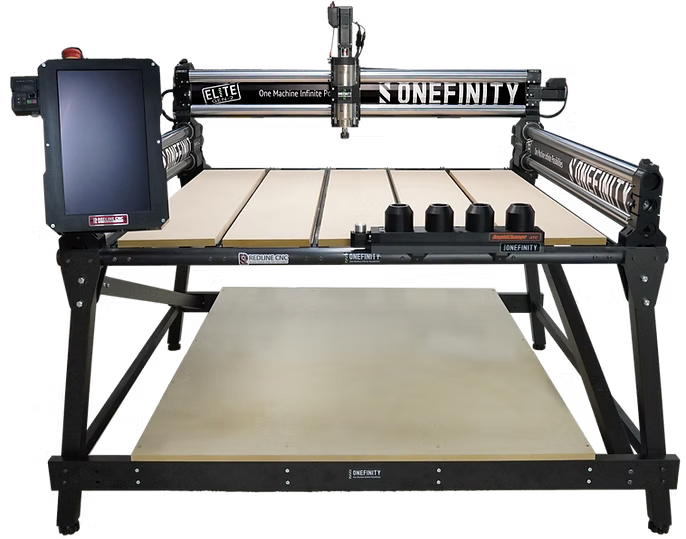
Onefinity Elite Woodworker$2,195.00838 × 838 mmClosed-loopNot included68
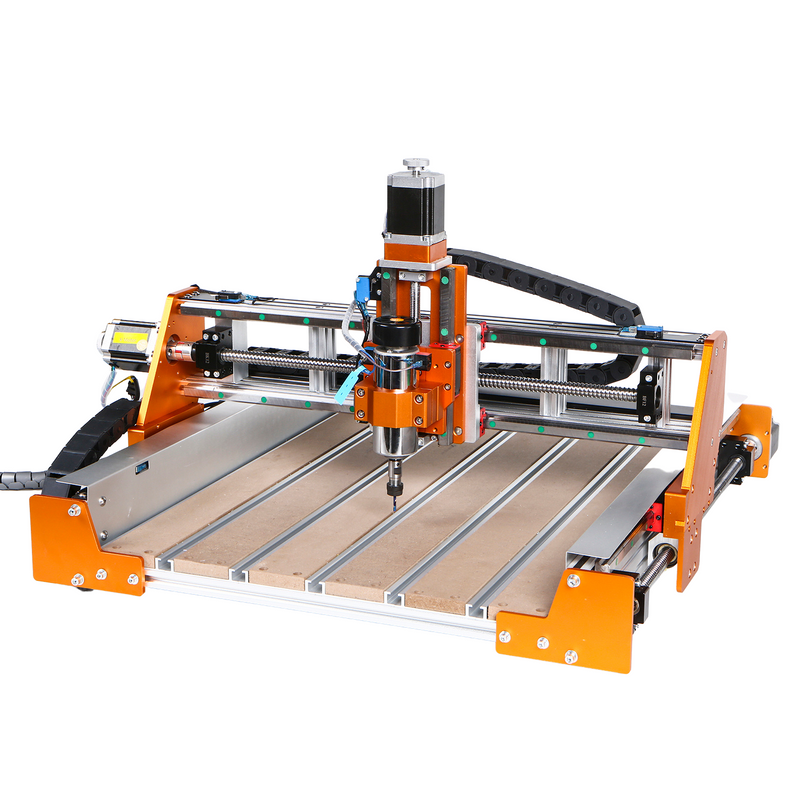
FoxAlien Vasto$2,299.00400 × 400 mmOpen-loop400 W53
Shapeoko 5.1 Pro 4x4$3,800.00Not statedNot includedNot scored
X-Carve Pro 4x4$7,495.00Not stated1,500 W59
Sienci LongMill MK3 30x30$1,890 CAD813 × 813 mmClosed-loopNot included68
Onefinity Elite Foreman1,245 × 1,248 mmClosed-loopNot included53
Onefinity Elite Journeyman1,245 × 838 mmClosed-loopNot included53

What actually matters for a first machine

  • Documentation and community over specification. A well-supported belt machine will teach you more than an under-documented ball-screw one, because you will actually finish projects on it. When a job fails at 2am, the spec sheet is not what helps.
  • A forgiving envelope beats a large one. Small jobs mean fast feedback and cheap mistakes. Buying more bed than the work needs slows the learning loop and wastes stock on every error.
  • Assembly state and safety hardware. Limit switches and an emergency stop turn a crash into a broken bit rather than a broken machine, and a mostly-assembled gantry removes the largest source of first-build error - a frame that is not square.

The field at a glance

Lowest list priceGenmitsu 3018-PROVer V2
The entry point - and the envelope is the reason it is cheap, not a compromise in build.
Largest work areaOnefinity Elite Foreman
Most bed for the money here. Check the Z clearance before assuming it fits your work.
Highest computed scoreSienci LongMill MK3 30x30
Tops the model, but on 68% coverage - strong on what is published rather than proven throughout.
Best score per dollarGenmitsu 3018-PROVer V2
The most computed capability per pound spent - not the same question as which machine is best.

Common mistakes to avoid

  • Buying the most machine the budget allows. A first machine you finish projects on teaches more than a better-specified one that sits half-assembled. Documentation, a mostly-built gantry, limit switches and an emergency stop remove more first-year failures than any specification on this page.
  • Comparing a bare platform against a complete machine. 9 machines on this list ship without a spindle, and sometimes without a table or spoilboard either. That price is not comparable to one that includes a cutter until you have added the missing parts, which can be several hundred dollars.
  • Assuming an open-loop machine will hold position under load. Open-loop steppers cannot detect a lost step. In hardwood at depth, or in any metal, that means a part that quietly goes wrong partway through with no error on the controller and no obvious cause afterwards.
  • Cutting slower when the edge burns. It is the most common instinct and it is backwards. A burn means the chip is too thin to carry heat out of the cut, so the cutter is rubbing rather than shearing - feed faster or drop the spindle speed. The chip load calculator will confirm which side of the range you are on before you change anything.

Understanding desktop CNC routers

A CNC router is a gantry that moves a spinning cutter through three axes under G-code control. What separates one from another is almost never the software - most desktop machines run GRBL and accept the same toolpaths - but the mechanics: how the motion is driven, how rigidly the gantry resists the cutting forces pushing back at it, and whether the controller knows where the tool actually is rather than where it commanded it to be.

The first month with a CNC is mostly learning that the machine is the easy part. Work-holding - actually keeping the material still while a cutter pushes at it - causes more ruined parts than any specification on this page. So does tramming, which is squaring the spindle to the bed, and which no machine arrives perfect at.

Feeds and speeds are the other half. The number that decides whether a cut burns, chatters or comes out clean is chip load: the thickness of material each cutting edge removes per revolution. Feed rate and spindle speed only matter through their effect on it, which is why two people running identical feed rates get completely different results with different cutters.

How this ranking works

The order on this page is computed, not curated. Every machine is scored from the specifications its manufacturer publishes, using weights documented in full on the methodology page, and no brand can pay to move up. The affiliate links on this site never touch the score - ranking and monetisation are calculated by separate functions that do not share data.

The caveat that matters most is coverage. Our model excludes any component a maker has not published rather than scoring it zero, then renormalises across what is left - so a machine scored on 30% of the model is not directly comparable to one scored on 100%. 12 of the 13 machines here fall short of full coverage. Read a high score on thin coverage as "strong on what we can verify", not as a verdict on the whole machine, and treat the gap as an unknown you would be inheriting.

Prices are dated observations refreshed daily from retailer APIs, not live quotes, and anything unconfirmed for more than 72 hours is labelled availability-unknown rather than shown as current. Specifications come from manufacturer product pages only - never from marketplace listing copy, which is written to sell rather than to describe.

This list is ordered by list price, cheapest first, rather than by score - deliberately. The thing that most determines whether a beginner succeeds is not on the spec sheet at all: it is documentation, community and support when a job fails at 2am, and price is a better proxy for "start here" than a computed number. The motor column is surfaced because a closed-loop drive forgives the lost steps inexperience causes, and the score is shown last precisely so it does not dominate a decision it should not.

The full weighting model and the reference scales are on the methodology page.

Buying questions, answered

What is the best CNC router for a complete beginner?
Usually the cheapest one that arrives mostly assembled and pre-trammed, from a maker with strong documentation and an active community. A small, well-supported machine you actually finish projects on will teach you more than a larger under-supported one that sits half-built.
Should a beginner buy a closed-loop machine?
It helps more for a beginner than for an expert, because a closed-loop drive catches the lost step your inexperience caused instead of quietly ruining an hour of cutting. It is not essential to learn on, though - a forgiving belt-driven machine with good docs is a perfectly good teacher.
How big should my first CNC be?
Smaller than you think you want. A compact bed gives faster feedback and cheaper mistakes, and buying more envelope than the work needs is one of the two most common beginner errors. The other is skipping dust extraction, which on MDF and composites is a health control rather than a convenience.

Other rankings

Share